.webp/jcr:content/Dk-kids-abdominal_2x%20(2).webp)
Abdominal Pain & Discomfort in Children
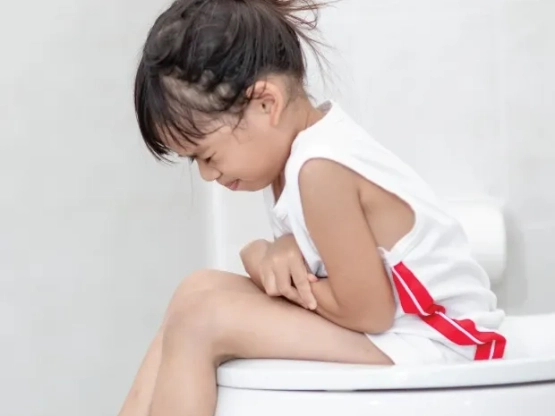
Abdominal pain and discomfort in children can take many forms, signaling that something might be wrong with their digestive system. Whether it's a mild upset stomach, bloating, or a more serious condition, understanding these signals is essential. By recognizing the types and causes of abdominal discomfort, parents can take the right steps to manage it and help prevent future issues.
Identifying Abdominal Pain and Discomfort
Abdominal pain can present in various ways, each type indicating a different cause and requiring specific attention. It's crucial to recognize the signs and consult a doctor for an accurate diagnosis:
.2026-03-23-16-04-08.svg)
Localized Pain:
Pain in a specific area often points to an issue with a particular organ, such as the stomach or appendix1.
%20(1).2026-03-23-16-04-08.svg)
Cramping Pain:
Cramping usually accompanies bloating or changes in bowel habits and may move unpredictably2.
.2026-03-23-16-04-08.svg)
Colicky Pain:
Sharp, intense spasms are often linked to conditions like gastroenteritis or bowel obstruction3.
Things That Cause Abdominal Pain in Children
Several factors can trigger abdominal discomfort in children, and identifying the cause is the first step toward relief:
Gastroenteritis: Often caused by viral or bacterial infections, leading to vomiting, diarrhea, and abdominal cramping4.
Constipation: Difficulty passing stool can result in bloating and pain. A diet low in fiber and fluids is often a contributing factor5.
Food Intolerances or Allergies: Reactions to certain foods, such as lactose intolerance or gluten sensitivity, can cause abdominal pain and bloating6.
Functional Abdominal Pain: Recurring abdominal pain without an identifiable medical cause, often related to stress or anxiety7.
How to Get Back on Track
Abdominal pain can interfere with a child's daily life. Here are some straightforward remedies that can help relieve discomfort:
Apply Heat
A warm compress or heating pad can relax muscles and alleviate cramping1.
Gentle Foods
Offer easy-to-digest options like bananas, rice, and toast. Avoid rich, spicy, or greasy foods that may worsen symptoms5.
Use Probiotics
Quality probiotics can help restore gut balance and reduce pain and discomfort8.
Stay Hydrated
Encourage fluid intake to prevent dehydration, especially if diarrhea is present4.
Rest
Allow your child to rest, as this can help their body recover from minor gastrointestinal issues9.
Your Abdominal Pain Prevention Guide
By adopting a few mindful habits, you can help prevent future episodes of abdominal discomfort in your child:
.2026-03-23-16-04-08.svg)
Balanced Diet:
Include plenty of fruits, vegetables, and whole grains to support digestion5.
%20(1).2026-03-23-16-04-08.svg)
Stay Hydrated:
Ensure your child drinks enough water throughout the day to prevent constipation4.
.2026-03-23-16-04-08.svg)
Regular Exercise:
Encourage physical activity, as it aids digestion and helps prevent constipation5.
.2026-03-23-16-04-08.svg)
Practice Good Hygiene:
Teach your child to wash their hands before meals to keep harmful bacteria at bay4.
%20(1).2026-03-23-16-04-08.svg)
Use Probiotics:
A high-quality probiotic can maintain gut balance and reduce the risk of cramping and discomfort8.
%20(1).2026-03-23-16-04-08.svg)
Our products


References
- BibliographySrinath, A., Yamada, T., & Di Lorenzo, C. (2014). Abdominal Pain in Children: Functional vs. Organic Disorders. Pediatric Clinics of North America, 61(6), 1071-1091. https://doi.org/10.1016/j.pcl.2014.08.001
- Van Tilburg, M. A. L., Chitkara, D. K., Palsson, O. S., Turner, M., & Whitehead, W. E. (2015). Prevalence of Functional Gastrointestinal Disorders in Children: A Systematic Review. Clinical Gastroenterology and Hepatology, 13(3), 401-409. https://doi.org/10.1016/j.cgh.2014.07.065
- Barker, N., & Thapar, N. (2016). Gastroenteritis in Children: Diagnosis and Management Strategies. British Medical Journal, 354, i3668. https://doi.org/10.1136/bmj.i3668
- Tabbers, M. M., Benninga, M. A., & Constipation Working Group. (2015). Constipation in Children: Evidence-Based Diagnosis and Treatment. Journal of Pediatric Gastroenterology and Nutrition, 61(4), 470-478. https://doi.org/10.1097/MPG.0000000000000919
- Zheng, X., Lyu, Y., Fan, S., & Li, X. (2018). The Role of Gut Microbiota in Functional Abdominal Pain Disorders in Children. World Journal of Gastroenterology, 24(28), 3141-3155. https://doi.org/10.3748/wjg.v24.i28.3141
- Vandenplas, Y., & Koletzko, S. (2018). Lactose Intolerance and Functional Abdominal Pain in Children: An Update. European Journal of Pediatrics, 177(10), 1477-1484. https://doi.org/10.1007/s00431-018-3191-8
- Cappello, G., Marzio, L., & Talamini, G. (2019). The Role of Probiotics in Managing Functional Abdominal Pain Disorders in Pediatrics: A Review. Journal of Clinical Gastroenterology, 53(7), e287-e295. https://doi.org/10.1097/MCG.0000000000001185
- Gordon, M., Akobeng, A. K., & Thomas, A. G. (2016). Probiotics for the Management of Functional Gastrointestinal Disorders in Children: A Systematic Review and Meta-Analysis. Alimentary Pharmacology & Therapeutics, 44(5), 447-457. https://doi.org/10.1111/apt.13712
- Yuan, Q., Li, L., & Xie, W. (2019). The Role of Stress in Functional Gastrointestinal Disorders in Children. Neurogastroenterology & Motility, 31(12), e13745. https://doi.org/10.1111/nmo.13745
- Mayer, E. A., & Tillisch, K. (2019). The Gut-Brain Connection and the Impact of Psychological Stress on Functional Abdominal Pain Disorders in Children. Nature Reviews Gastroenterology & Hepatology, 16(6), 381-396. https://doi.org/10.1038/s41575-019-0122-6
%20(1).2026-03-23-16-04-08.webp)


.2026-03-23-16-04-08.webp)