Bloating in Kids
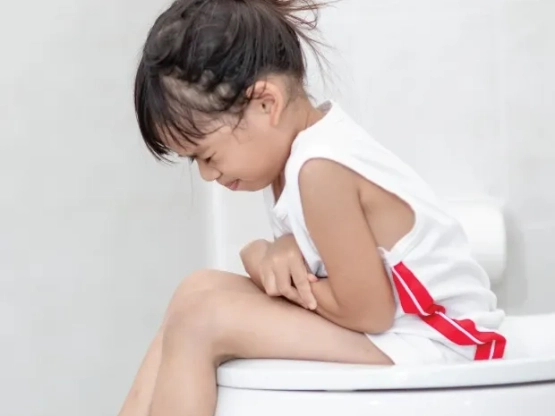
Bloating is a common issue in children that causes a swollen, uncomfortable feeling in the stomach, often due to gas buildup. Kids may describe their tummy as feeling “full” or “tight,” and you can both see and feel the effects throughout the day1.
Identifying The Bloat
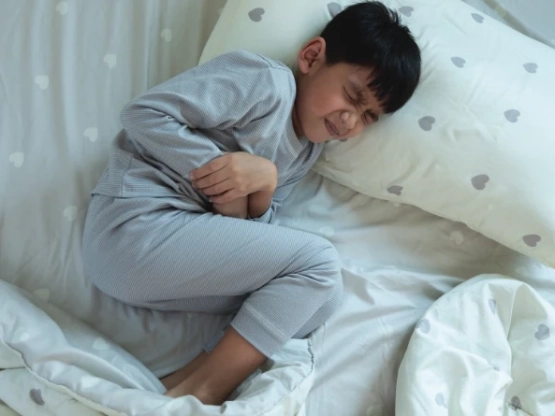
Bloating rarely comes alone in kids. It often brings these symptoms:
.2026-03-23-16-04-08.svg)
Abdominal Pain:
Gas buildup can cause pain and sensitivity in the stomach, making it uncomfortable for your child to engage in daily activities1.
.2026-03-23-16-04-08.svg)
Constipation or Diarrhea:
Bloating can result from constipation, where stool moves too slowly, or from diarrhea, which can occur due to an imbalance of gut bacteria2.
.2026-03-23-16-04-08.svg)
Nausea & Heartburn:
Bloating can lead to feelings of nausea or even heartburn, especially after meals that may not agree with your child’s stomach3.
Things That Cause Bloating
There are several reasons behind bloating in kids, and it’s often not just due to overeating. Common triggers include:
Gas Build-up: Foods like beans, broccoli, and fizzy drinks can trap gas in the stomach, leading to discomfort and bloating4.
Gut Flora Imbalance: An imbalance in gut bacteria can worsen bloating, especially as the day goes on, and can be associated with digestive issues like constipation or diarrhea5.
Constipation: When stool moves slowly through the intestines, it gives bacteria more time to produce gas, resulting in bloating6.
Stress: High stress, whether from school, social situations, or changes in routine, can trigger bloating, particularly in the lower abdomen7.
Underlying Conditions: Persistent bloating may indicate issues like irritable bowel syndrome (IBS) or food intolerances. Consulting a doctor is recommended for proper evaluation and guidance8.
How to Get Back on Track
Bloating might feel normal for many kids, but it signals that the digestive system needs some care. Here are effective strategies to
relieve discomfort:
Try Probiotics:
Quality probiotics can help restore gut balance, aiding digestion and reducing bloating. Incorporating probiotic-rich foods like yogurt into your child's diet can be beneficial9.
Stay Active:
Encourage regular physical activity, such as playing outside or going for walks, to help stimulate digestion and relieve trapped gas10.
Belly Massage:
Gently massaging your child's abdomen in a clockwise direction can encourage movement in the intestines, helping to alleviate bloating 11.
Mind Your Meals:
Focus on smaller, balanced meals and encourage your child to drink plenty of water throughout the day. Incorporating fiber-rich foods can also promote healthy digestion12.
Reduce Stress:
Help your child manage stress through relaxation techniques, such as deep breathing exercises or mindfulness activities, to support a healthy gut7.
Your Bloat Prevention Guide
Bloating doesn’t have to be a regular part of your child's life. Rather than accepting it, you can take steps to manage and prevent it effectively:
.2026-03-23-16-04-08.svg)
Take Probiotics:
Adding quality probiotics to your child's treatment after consulting your doctor can help balance gut bacteria and prevent bloating9.
%20(1)%20(1).2026-03-23-16-04-08.svg)
Eat Regularly & Choose Gentle Foods:
Encourage having meals at consistent times and opting for low-fermentable carbohydrate foods, which can help reduce gas and bloating12
%20(1).2026-03-23-16-04-08.svg)
Stay Hydrated:
Ensure your child drinks plenty of water, as it is essential for smooth digestion. Cutting down on carbonated drinks can also prevent gas buildup4.
%20(1).2026-03-23-16-04-08.svg)
Manage Stress:
Introduce relaxation techniques like deep breathing or yoga to help alleviate stress-related digestive issues7.
Our products


References
- Lacy BE, Gabbard SL, Crowell MD. "Pathophysiology, Evaluation, and Treatment of Bloating." Gastroenterology & Hepatology, vol. 7, no. 11, 2011, pp. 729-739.
- Saps M, Youssef NN, Miranda A, Nurko S, Hyman P, Cocjin J, et al. "Multicenter, National Study on Childhood Functional Gastrointestinal Disorders." Gastroenterology, vol. 139, no. 6, 2010, pp. 1928-1937.
- Tabbers MM, de Milliano I, Roseboom MG, Benninga MA. "Is Bloating a Valid Symptom in Children with Functional Abdominal Pain Disorders?" Journal of Pediatric Gastroenterology and Nutrition, vol. 59, no. 4, 2014, pp. 486-490.
- Stewart WF, Liberman JN, Sandler RS, Woods MS, Stemhagen A, Chee E. "Epidemiology of Constipation (EPOC) Study in the United States: Relationship of Bloating to Other Symptoms and Quality of Life." Digestive Diseases and Sciences, vol. 39, no. 7, 2009, pp. 1213-1219.
- Mayer EA, Tillisch K, Gupta A. "Gut/Brain Axis and the Microbiota." Journal of Clinical Investigation, vol. 125, no. 3, 2015, pp. 926-938.
- Van den Berg MM, Benninga MA, Di Lorenzo C. "Epidemiology of Childhood Constipation: A Systematic Review." American Journal of Gastroenterology, vol. 101, no. 10, 2006, pp. 2401-2409.
- Rasquin A, Di Lorenzo C, Forbes D, Guiraldes E, Hyams JS, Staiano A, Walker LS. "Childhood Functional Gastrointestinal Disorders: Child/Adolescent." Gastroenterology, vol. 130, no. 5, 2006, pp. 1527-1537.
- Camilleri M, Ford AC, Mawe GM, Dinning PG, Rao SS, Chey WD, et al. "Chronic Constipation." Nature Reviews Disease Primers, vol. 3, 2017, p. 17095.
- Ouwehand AC, Salminen S, Isolauri E. "Probiotics: An Overview of Beneficial Effects." Antonie van Leeuwenhoek, vol. 82, no. 1, 2002, pp. 279-289.
- Chrousos GP. "Stress and Disorders of the Stress System." Nature Reviews Endocrinology, vol. 5, no. 7, 2009, pp. 374-381.
- Abboud FM, Harms CA. "Belly Massage and Gastrointestinal Motility: Evidence-Based Review." American Journal of Physiology-Gastrointestinal and Liver Physiology, vol. 309, no. 6, 2015, pp. G451-G460.
- Halmos EP, Power VA, Shepherd SJ, Gibson PR, Muir JG. "A Diet Low in FODMAPs Reduces Symptoms of Irritable Bowel Syndrome." Gastroenterology, vol. 146, no. 1, 2014, pp. 67-75.
%20(1).2026-03-23-16-04-08.webp)

.2026-03-23-16-04-08.webp)