.webp/jcr:content/21card%20(1).webp)
Identifying Bad Digestion
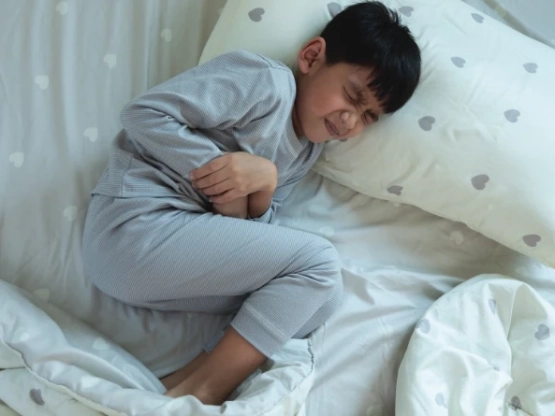
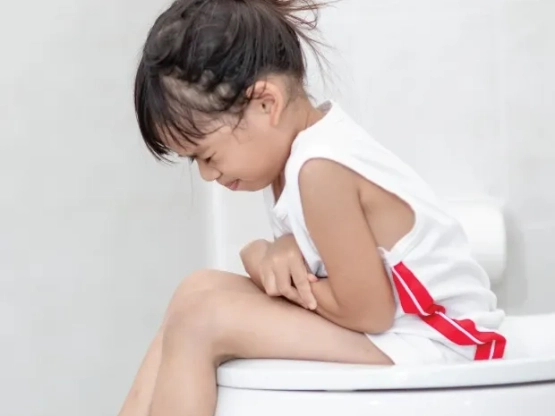
Recognizing the signs of bad digestion in your child can help you address the issue quickly. Here’s what to look for:
.2026-03-23-16-04-08.svg)
Bloating:
Your child may complain of a swollen belly, feeling uncomfortably full after meals3.
.2026-03-23-16-04-08.svg)
Gas and Flatulence:
Increased gas can lead to discomfort and embarrassing moments for kids4.
.2026-03-23-16-04-08.svg)
Stomach Pain:
Cramping and discomfort in the abdomen are often signs of digestive troubles5.
%20(1).2026-03-23-16-04-08.svg)
Changes in Bowel Habits:
Your child may experience constipation or irregular bowel movements, which can be frustrating6.
Things That Cause Bad Digestion
Understanding what triggers your child's digestive issues is crucial. Common culprits include:
Poor Diet: Eating too many sugary, fatty, or processed foods can irritate the digestive system, leading to discomfort7.
Food Intolerances: Some kids may have lactose intolerance or gluten sensitivity, which can cause bloating and gas when certain foods are eaten8.
Stress and Anxiety: Emotional stress, whether from school or social situations, can interfere with digestion and lead to discomfort9.
Lack of Fiber: A low-fiber diet can lead to constipation, while a sudden increase in fiber can cause gas and bloating10.
Dehydration: Not drinking enough water can slow down digestion, leading to constipation and discomfort11.
How to Get Back on Track
If your child is struggling with bad digestion, consider these practical tips to help them feel better:
Stay Hydrated
Encourage your child to drink plenty of water throughout the day to aid digestion and prevent constipation11.
Incorporate Fiber Gradually
Introduce fiber-rich foods to their diet, such as fruits, vegetables, and whole grains, but do so gradually to avoid gas10.
Practice Mindful Eating
Teach your child to slow down during meals and chew their food thoroughly to support proper digestion12.
Limit Trigger Foods
Help them identify and avoid foods that seem to worsen their symptoms, such as dairy, gluten, or high-fat foods8.
Manage Stress
Incorporate relaxation techniques, such as deep breathing or quiet time, to help reduce stress levels and support digestion9.
Your Bad Digestion Prevention Guide
Preventing bad digestion is easier than fixing it! Here are some tips to keep your child’s digestive system healthy:
.2026-03-23-16-04-08.svg)
Maintain a Balanced Diet:
Focus on a diet rich in whole foods, including fruits, vegetables, whole grains, and lean proteins7.
.2026-03-23-16-04-08.svg)
Stay Active:
Encourage regular physical activity, like playing outside or riding a bike, to help stimulate digestion and prevent constipation13.
.2026-03-23-16-04-08.svg)
Listen to Their Body:
Teach your child to pay attention to how different foods affect them and make adjustments accordingly12.
.2026-03-23-16-04-08.svg)
Stay Hydrated:
Remind your child to drink enough water throughout the day to support overall digestive health11.
%20(1).2026-03-23-16-04-08.svg)
Consider Probiotics:
A high-quality probiotic can promote a healthy gut microbiome, aiding digestion and reducing discomfort14.
Our products


References
- Tabbers MM, de Milliano I, Roseboom MG, Benninga MA. "Is Bloating a Valid Symptom in Children with Functional Abdominal Pain Disorders?" Journal of Pediatric Gastroenterology and Nutrition, vol. 59, no. 4, 2014, pp. 486-490.
- Saps M, Youssef NN, Miranda A, Nurko S, Hyman P, Cocjin J, et al. "Multicenter, National Study on Childhood Functional Gastrointestinal Disorders." Gastroenterology, vol. 139, no. 6, 2010, pp. 1928-1937.
- Stewart WF, Liberman JN, Sandler RS, Woods MS, Stemhagen A, Chee E. "Epidemiology of Constipation (EPOC) Study in the United States: Relationship of Bloating to Other Symptoms and Quality of Life." Digestive Diseases and Sciences, vol. 39, no. 7, 2009, pp. 1213-1219.
- Halmos EP, Power VA, Shepherd SJ, Gibson PR, Muir JG. "A Diet Low in FODMAPs Reduces Symptoms of Irritable Bowel Syndrome." Gastroenterology, vol. 146, no. 1, 2014, pp. 67-75.
- Heyman MB; Committee on Nutrition; Section on Gastroenterology, Hepatology, and Nutrition. "Lactose Intolerance in Children and Adolescents: Position Statement of the Committee on Nutrition and Section on Gastroenterology, Hepatology, and Nutrition of the American Academy of Pediatrics." Pediatrics, vol. 118, no. 3, 2006, pp. 1279-1286.
- Van den Berg MM, Benninga MA, Di Lorenzo C. "Epidemiology of Childhood Constipation: A Systematic Review." American Journal of Gastroenterology, vol. 101, no. 10, 2006, pp. 2401-2409.
- Camilleri M, Ford AC, Mawe GM, Dinning PG, Rao SS, Chey WD, et al. "Chronic Constipation." Nature Reviews Disease Primers, vol. 3, 2017, p. 17095.
- Mayer EA, Tillisch K, Gupta A. "Gut/Brain Axis and the Microbiota." Journal of Clinical Investigation, vol. 125, no. 3, 2015, pp. 926-938.
- Chrousos GP. "Stress and Disorders of the Stress System." Nature Reviews Endocrinology, vol. 5, no. 7, 2009, pp. 374-381.
- Abboud FM, Harms CA. "Belly Massage and Gastrointestinal Motility: Evidence-Based Review." American Journal of Physiology-Gastrointestinal and Liver Physiology, vol. 309, no. 6, 2015, pp. G451-G460.
- Heyman MB. "Hydration and Gastrointestinal Function in Children." Nutrition Reviews, vol. 65, no. 8, 2007, pp. 439-443.
- Ouwehand AC, Salminen S, Isolauri E. "Probiotics: An Overview of Beneficial Effects." Antonie van Leeuwenhoek, vol. 82, no. 1, 2002, pp. 279-289.
- Rasquin A, Di Lorenzo C, Forbes D, Guiraldes E, Hyams JS, Staiano A, Walker LS. "Childhood Functional Gastrointestinal Disorders: Child/Adolescent." Gastroenterology, vol. 130, no. 5, 2006, pp. 1527-1537.
- Tabbers MM, Benninga MA. "Probiotics for the Treatment of Functional Gastrointestinal Disorders in Children: A Systematic Review." Journal of Clinical Gastroenterology, vol. 49, no. 9, 2015, pp. 711-726.
%20(1).2026-03-23-16-04-08.webp)