.webp/jcr:content/33card%20(2).webp)
Irritable Bowel Syndrome (IBS) in Kids
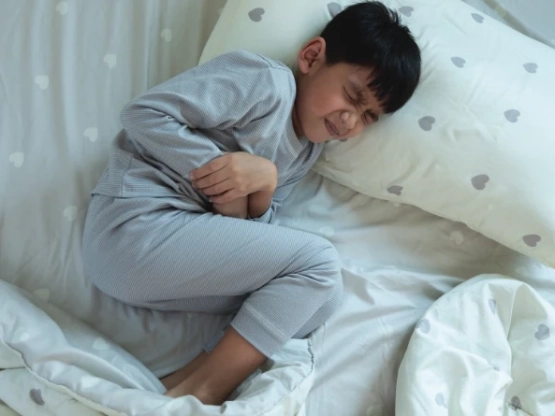
Irritable Bowel Syndrome (IBS) is a common digestive disorder that can significantly impact your child's quality of life1. Characterized by symptoms like cramping, abdominal pain, bloating, gas, and changes in bowel habits, IBS can leave kids feeling frustrated and uncomfortable2. Understanding IBS and how to manage it is crucial for those affected.
Identifying IBS
Recognizing the signs of IBS in your child is essential for seeking appropriate care. Here’s what to look for:
.2026-03-23-16-04-08.svg)
Abdominal Pain:
Recurring pain or cramping in the abdomen is often a primary symptom and is usually relieved by going to the bathroom2.
.2026-03-23-16-04-08.svg)
Bloating:
Many kids with IBS experience a noticeable feeling of fullness or swelling in their tummy3.
.2026-03-23-16-04-08.svg)
Changes in Bowel Habits:
IBS can show up as alternating bouts of diarrhea and constipation, with some children experiencing more of one than the other4.
.2026-03-23-16-04-08.svg)
Mucus in Stool:
Some kids with IBS may notice mucus in their poop5.
.2026-03-23-16-04-08.svg)
Symptoms Triggered by Food:
Certain foods may worsen symptoms, making it important to identify and avoid them6.
Things That Cause IBS
While the exact cause of IBS remains unclear, several factors can contribute to developing this condition:
Gut Motility Issues: Abnormal contractions of the intestines can lead to IBS symptoms, either too fast (causing diarrhea) or too slow (resulting in constipation)7.
Food Sensitivities: Many children with IBS have sensitivities to specific foods, such as dairy or gluten, which can trigger symptoms8.
Stress and Mental Health: Emotional stress, anxiety, and worries can worsen IBS symptoms. The connection between the brain and gut plays a significant role in digestive health9.
Hormonal Changes: While more common in older kids, hormonal changes can influence symptoms, particularly in girls10.
Gut Microbiome Imbalance: An imbalance of gut bacteria may contribute to IBS symptoms, affecting digestion and inflammation11.
How to Manage IBS
While there’s no one-size-fits-all solution for IBS, several strategies can help manage symptoms effectively:
Identify Trigger Foods
Keep a food diary to track what your child eats and identify any foods that trigger their symptoms. Common culprits include dairy, gluten, and certain fruits and vegetables12.
Follow a Low-FODMAP Diet
Consider working with a healthcare professional to try a low-FODMAP diet, which eliminates specific fermentable carbohydrates known to cause bloating and discomfort13.
Stay Hydrated
Encourage your child to drink plenty of water to help maintain regular bowel movements and overall digestive health14.
Incorporate Regular Exercise
Physical activity can improve gut motility and reduce stress levels, both of which may help relieve IBS symptoms15.
Manage Stress
Techniques such as mindfulness, deep breathing, and gentle exercise can help reduce stress and improve your child's overall well-being16.
Your IBS Prevention Guide
While managing IBS can be challenging, there are steps you can take to potentially prevent flare-ups:
.2026-03-23-16-04-08.svg)
Maintain a Balanced Diet:
Focus on a diet rich in fiber, whole grains, lean proteins, and plenty of fruits and vegetables, while being mindful of trigger foods17.
.2026-03-23-16-04-08.svg)
Stay Active:
Encourage regular exercise to promote digestive health and manage stress15.

Practice Mindful Eating:
Teach your child to slow down during meals, chew their food thoroughly, and avoid overeating to help their digestive system work more efficiently18.
%20(1).2026-03-23-16-04-08.svg)
Stay Hydrated:
Remind your child to drink enough water throughout the day for regular bowel function14.
%20(1).2026-03-23-16-04-08.svg)
Probiotics:
A high-quality probiotic may help restore gut balance and alleviate symptoms for some children19.
Our products


References
- Saps M, Youssef NN, Miranda A, et al. "Multicenter, National Study on Childhood Functional Gastrointestinal Disorders." Gastroenterology, vol. 139, no. 6, 2010, pp. 1928-1937.
- Di Lorenzo C, Youssef NN, Sigurdsson L, et al. "Visceral Hyperalgesia in Children with Functional Abdominal Pain." Journal of Pediatrics, vol. 139, no. 6, 2001, pp. 838-843.
- Tabbers MM, de Milliano I, Roseboom MG, Benninga MA. "Is Bloating a Valid Symptom in Children with Functional Abdominal Pain Disorders?" Journal of Pediatric Gastroenterology and Nutrition, vol. 59, no. 4, 2014, pp. 486-490.
- Van den Berg MM, Benninga MA, Di Lorenzo C. "Epidemiology of Childhood Constipation: A Systematic Review." American Journal of Gastroenterology, vol. 101, no. 10, 2006, pp. 2401-2409.
- Hyams JS, Davis P, Sylvester FA, et al. "Clinical Features and Outcome of Irritable Bowel Syndrome in Adolescents." Journal of Pediatric Gastroenterology and Nutrition, vol. 54, no. 1, 2012, pp. 1-5.
- Halmos EP, Power VA, Shepherd SJ, Gibson PR, Muir JG. "A Diet Low in FODMAPs Reduces Symptoms of Irritable Bowel Syndrome." Gastroenterology, vol. 146, no. 1, 2014, pp. 67-75.
- Ford AC, Sperber AD, Corsetti M, Camilleri M. "Irritable Bowel Syndrome." Lancet, vol. 396, no. 10263, 2020, pp. 1675-1688.
- Heyman MB; Committee on Nutrition; Section on Gastroenterology, Hepatology, and Nutrition. "Lactose Intolerance in Children and Adolescents: Position Statement of the American Academy of Pediatrics." Pediatrics, vol. 118, no. 3, 2006, pp. 1279-1286.
- Chrousos GP. "Stress and Disorders of the Stress System." Nature Reviews Endocrinology, vol. 5, no. 7, 2009, pp. 374-381.
- Longstreth GF, Thompson WG, Chey WD, Houghton LA, Mearin F, Spiller RC. "Functional Bowel Disorders." Gastroenterology, vol. 130, no. 5, 2006, pp. 1480-1491.
- Mayer EA, Tillisch K, Gupta A. "Gut/Brain Axis and the Microbiota." Journal of Clinical Investigation, vol. 125, no. 3, 2015, pp. 926-938.
- Camilleri M, Ford AC, Mawe GM, et al. "Chronic Constipation." Nature Reviews Disease Primers, vol. 3, 2017, p. 17095.
- Rasquin A, Di Lorenzo C, Forbes D, et al. "Childhood Functional Gastrointestinal Disorders: Child/Adolescent." Gastroenterology, vol. 130, no. 5, 2006, pp. 1527-1537.
- Heyman MB. "Hydration and Gastrointestinal Function in Children." Nutrition Reviews, vol. 65, no. 8, 2007, pp. 439-443.
- Ouwehand AC, Salminen S, Isolauri E. "Probiotics: An Overview of Beneficial Effects." Antonie van Leeuwenhoek, vol. 82, no. 1, 2002, pp. 279-289.
%20(1).2026-03-23-16-04-08.webp)


.2026-03-23-16-04-08.webp)