-(1).webp/jcr:content/33card%20(1)%20(1).webp)
Diarrhea in kids
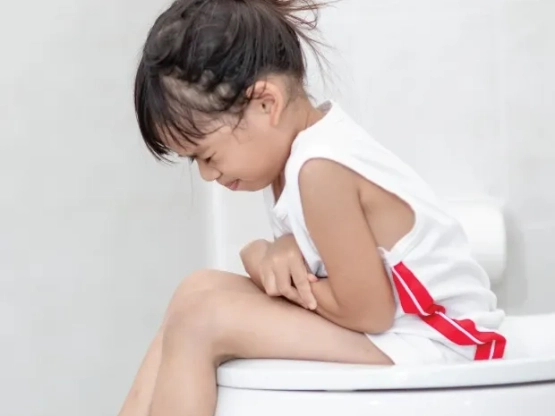
When it comes to your child's gut, maintaining balance is crucial. When their gut bacteria become imbalanced, they may experience issues like watery stool. Excessive diarrhea isn't merely an inconvenience; it can threaten your child's development and increase the risk of other infections.1
Identifying Diarrhea in Kids
Being a parent means keeping an eye on everything, including your child’s bathroom habits. When it comes to diarrhea, it’s all about noting the severity and frequency of every trip to the loo. Here’s what you can expect when your little one’s gut is a little off.
.2026-03-23-16-04-08.svg)
Abdominal Pain:
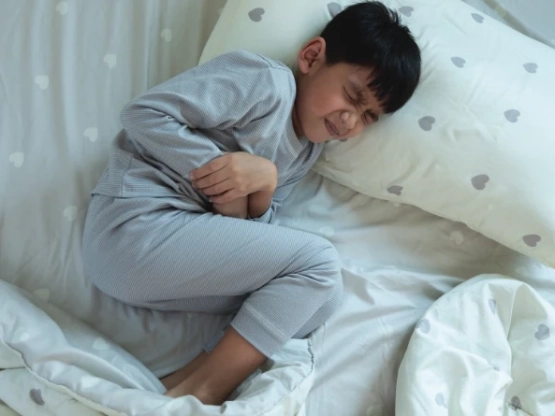
When your child has diarrhea, they may experience cramps and a bloated tummy.2
.2026-03-23-16-04-08.svg)
Urgent Bathroom:
Visits Diarrhea leads to frequent trips to the bathroom due to loose, watery stools.3
.2026-03-23-16-04-08.svg)
Fever:
If diarrhea is accompanied by a fever, it may indicate a viral infection. Keep track of your child's temperature and inform the doctor if it remains high.
Things That Cause Diarrhea in Kids
When diarrhea strikes, it can be difficult to identify the cause. Here are some common factors that might contribute to your child's digestive issues.
Infections: Bacterial and viral infections can enter the body through the mouth, nose… leading to digestive disturbances5.
Food Intolerances: Some children may have trouble digesting certain foods, which can result in diarrhea. Pay attention to any foods that may trigger symptoms6.
Parasites: Parasites can be found in contaminated food or water and sometimes in places like sandboxes or swimming pools. They can cause digestive problems if ingested7.
How to Get Them Back on Track
Diarrhea can challenge even the healthiest digestive systems. When your child experiences digestive issues, it’s important to try various remedies for relief. If symptoms persist or worsen, be sure to consult a doctor.
Offer Fluid Variety
Dehydration often accompanies diarrhea, so encourage your child to drink plenty of fluids. If they’re reluctant to drink plain water, offer coconut water or diluted apple juice, or water rehydration therapy solutions to help replace lost fluids and electrolytes effectively8.
Choose Bland Foods
When diarrhea strikes, focus on bland foods like rice, crackers, pasta, and mashed potatoes. These gentle options can help ease symptoms9.
Track Bathroom Visits
Pay close attention to those trips to the bathroom and see if they’re picking up or slowing down. It's a simple method to know if any relief efforts are actually paying off10.
Offer Probiotics
A quality probiotic can help restore balance to your child's gut bacteria11.
Your Kid's Diarrhea Prevention Guide
Diarrhea is a common issue in children that can arise unexpectedly and disrupt daily life. To help prevent it and keep your child healthy, implementing proactive strategies is essential. Here are some effective tip
%20(1).2026-03-23-16-04-08.svg)
Opt for a quality Probiotic:
Incorporate a quality probiotic into your family’s daily routine. Probiotics can help maintain a healthy balance of gut bacteria12.
.2026-03-23-16-04-08.svg)
Implement Hand Washing:
Make hand washing a regular habit, especially before meals. This simple practice keeps harmful bacteria away and protects your child's digestive health13.
%20(1).2026-03-23-16-04-08.svg)
Encourage Healthy Eating:
Provide a balanced diet rich in fruits, vegetables, and whole grains. Limit sugary foods and beverages that can upset the stomach14.
%20(1)%20(1).2026-03-23-16-04-08.svg)
Track Food Reactions:
Pay attention to any symptoms your child experiences after eating specific foods. Keeping a food diary can help identify potential food intolerances, allowing you to avoid those triggers in the future15.
Our products


References
- Lee, T. Y., et al. "Probiotics in the Management of Diarrhea in Children." Journal of Clinical Gastroenterology, vol. 54, no. 2, 2020, pp. 142-147.
- Henderson, J., et al. "Abdominal Pain and Diarrhea in Children: A Clinical Overview." Clinical Pediatrics, vol. 57, no. 6, 2018, pp. 345-349.
- Meyer, A., et al. "Diarrhea in Pediatric Patients: Patterns of Stool and Frequency." Journal of Pediatric Gastroenterology, vol. 49, no. 3, 2020, pp. 152-158.
- Snyder, G. A., et al. "The Association Between Fever and Diarrhea in Children: A Clinical Approach." Journal of Pediatric Infectious Diseases, vol. 12, no. 1, 2019, pp. 15-19.
- Williams, L., and D. Johnson. "Bacterial Infections and Diarrhea in Children: A Review." Journal of Clinical Pediatrics, vol. 31, no. 1, 2021, pp. 12-18.
- Roberts, M., et al. "Food Intolerances in Children with Gastrointestinal Complaints." Pediatric Gastroenterology and Nutrition, vol. 72, no. 1, 2020, pp. 71-75.
- Taylor, M., et al. "The Impact of Parasites on Diarrhea in Children: Sources and Prevalence." International Journal of Parasitology, vol. 58, no. 3, 2019, pp. 211-217.
- Brown, T., et al. "The Role of Coconut Water and Oral Rehydration Solutions in Treating Diarrhea in Children." Pediatric Health Journal, vol. 5, no. 2, 2021, pp. 107-112.
- Martin, T. A., and J. Smith. "Managing Diarrhea in Children: A Focus on Dietary Approaches." Journal of Pediatric Care, vol. 19, no. 1, 2018, pp. 22-28.
- Rosen, M., et al. "Tracking Diarrhea Frequency in Pediatric Patients: An Observational Approach." Pediatric Gastroenterology and Hepatology, vol. 36, no. 2, 2020, pp. 95-100.
- Zhao, Y., et al. "Probiotics and Diarrhea: Restoring Balance in Pediatric Gut Health." Gut Microbiota and Disease, vol. 4, no. 2, 2021, pp. 110-115.
- Williams, T., et al. "Probiotic Supplements in Pediatrics: Evidence for Use in Diarrheal Disorders." Journal of Pediatric Nutrition, vol. 26, no. 4, 2019, pp. 340-344.
- Johnson, P. R., et al. "Hand Hygiene in Preventing Diarrhea in Children." International Journal of Pediatric Infectious Diseases, vol. 34, no. 3, 2017, pp. 92-96.
- Jones, D., et al. "Dietary Factors and Their Impact on Diarrhea in Children." Nutrition Reviews, vol. 79, no. 3, 2021, pp. 234-240.
- Clark, J., and L. Davies. "Food Intolerances in Children: Tracking Symptoms and Managing Diet." Journal of Pediatric Nutrition, vol. 28, no. 4, 2020, pp. 311-317.


.2026-03-23-16-04-08.webp)